5 min read
What is Self Drilling Anchor?
What is Self Drilling Anchor? Contact Fate Engineering to learn about the working principles, application areas, and advantages of IBO bolt systems used in tunnel, mining, and underground projects.
In underground engineering projects, maintaining ground stability is one of the fundamental requirements for ensuring a safe and sustainable working environment. During tunnel excavation, mining operations, or various underground infrastructure projects, the natural equilibrium of the ground is disturbed. This disturbance can lead to stability problems such as deformation, cracking, or even collapse. To reduce these risks and increase the safety of excavation areas, different ground support systems are used. One of these systems is the Self Drilling Anchor system.
Self Drilling Anchors are advanced ground support elements that combine drilling and anchoring functions within a single system. They are widely used in underground construction projects, especially in weak or heterogeneous ground conditions. Compared to conventional rock bolt systems, Self Drilling Anchors provide greater flexibility during installation and allow grout injection during drilling, making them a reliable solution in challenging geological environments.
Structure of a Self Drilling Anchor
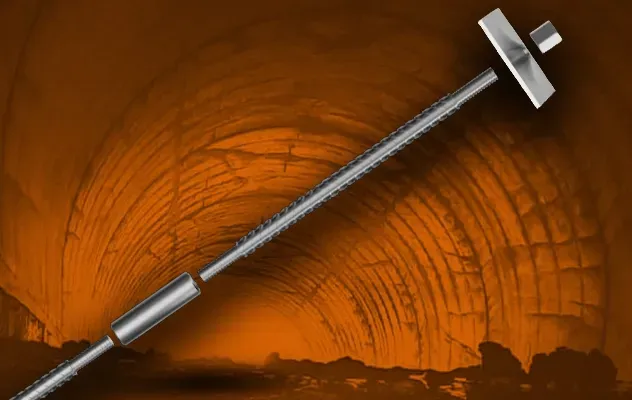
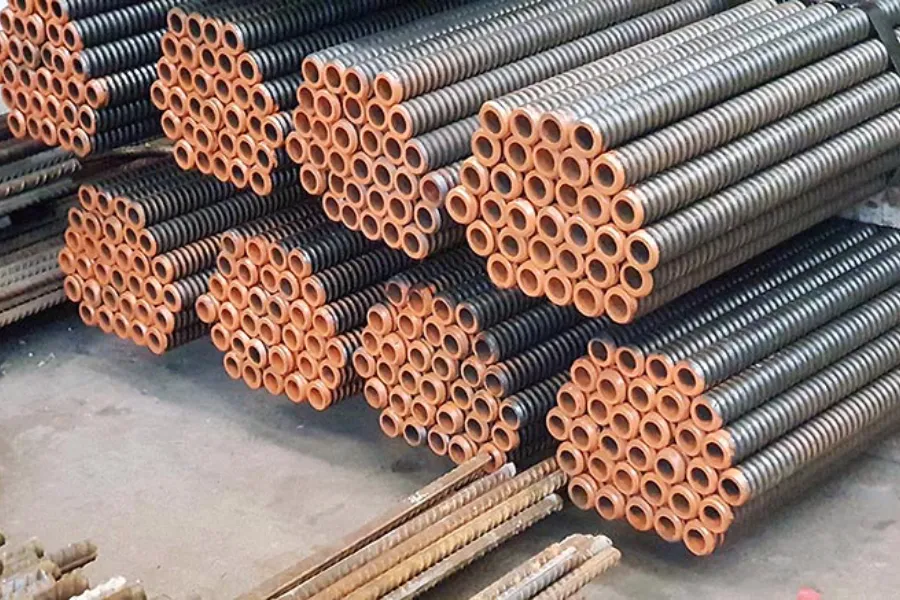
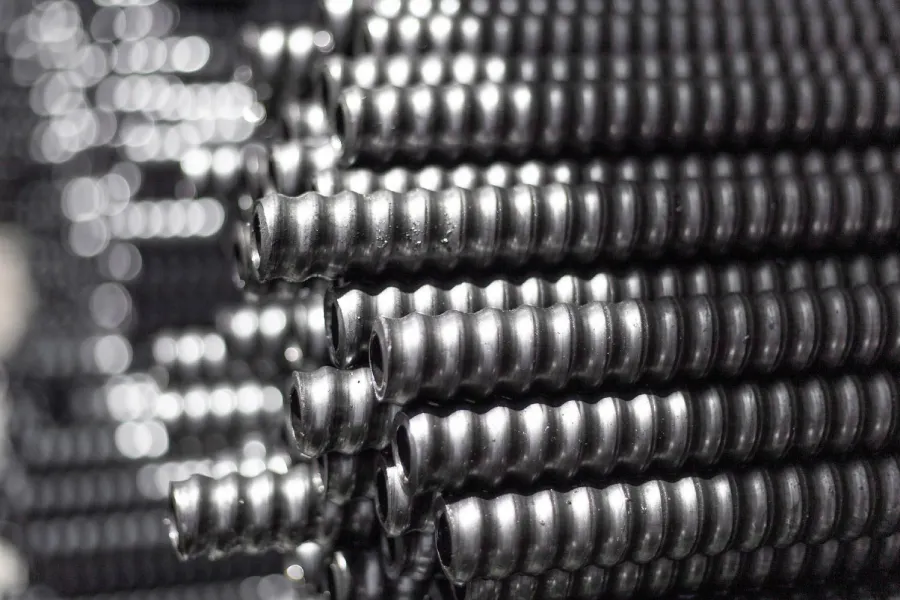
A Self Drilling Anchor consists of a hollow steel anchor bar used as a ground support element. This system can both perform the drilling operation and be fixed into the ground through grout injection after installation. Since the interior of the anchor bar is hollow, grout can be injected directly through the bar into the surrounding ground.
This design allows the anchor to reinforce the surrounding soil or rock mass while being installed. The hollow structure also ensures effective grout distribution within the ground.
A Self Drilling Anchor system generally consists of the following components:
- Hollow anchor bar
- Drill bit
- Coupling sleeves
- Bearing plate and nut
- Grout injection system
These components work together to strengthen the ground and maintain the stability of the excavation area.
Importance of Self Drilling Anchors in Underground Projects
As excavation progresses in underground projects, the natural stress distribution within the ground changes. In weak ground conditions, this change in stress distribution may increase the risk of deformation. If the ground is not properly supported, cracks, deformations, or even collapses may occur.
Self Drilling Anchor systems help prevent these risks by reinforcing the ground internally. After installation, grout injected through the anchor fills the voids around the bolt and creates a strong bond with the surrounding soil or rock.
As a result, the anchor does not only function as a mechanical support element but also becomes an integrated structural component within the ground mass. This improves load distribution in the excavation area and significantly increases the safety of the working environment.
Application Areas of Self Drilling Anchors
Self Drilling Anchor systems can be used in many underground engineering projects thanks to their ability to adapt to different ground conditions. They are particularly effective in environments where ground stability is critical.
One of the most common applications is tunneling projects. During tunnel excavation, Self Drilling Anchors are used to stabilize the tunnel crown and sidewalls by reinforcing the surrounding ground mass.
They are also widely used in mining operations, where underground galleries require reliable support systems to ensure worker safety and structural stability.
In addition, Self Drilling Anchors are frequently used in:
- Slope stabilization projects
- Underground infrastructure construction
- Hydropower and dam tunnels
- Ground improvement and reinforcement works
This wide range of applications demonstrates how versatile and effective the Self Drilling Anchor system is.
Advantages of the Self Drilling Anchor System
One of the main reasons Self Drilling Anchors are widely used in underground projects is the technical advantages they provide compared to traditional support systems. Their ability to perform drilling and anchoring simultaneously allows faster and more efficient installation.
Some of the key advantages of Self Drilling Anchor systems include:
- Simultaneous drilling and anchoring capability
- Effective performance in weak ground conditions
- Direct grout injection through the hollow bar
- Strong bond between the anchor and the surrounding ground
- High load-bearing capacity
These characteristics make Self Drilling Anchors a reliable solution for stabilizing excavation areas and improving safety in underground projects.
Advantages in Weak Ground Conditions
In certain ground types, installing conventional rock bolts can be extremely difficult. In loose or water-bearing soils, drilled holes may collapse before the bolt can be placed. This makes traditional anchoring methods less reliable.
Self Drilling Anchors solve this problem by allowing simultaneous drilling and grouting. During installation, grout can be injected through the hollow anchor bar, which stabilizes the ground and prevents the borehole from collapsing.
This capability makes Self Drilling Anchors particularly effective in problematic ground conditions where conventional support systems may fail.
Durability and Long-Term Performance
Ground support systems used in underground projects must provide long-term stability, not only during excavation but also throughout the operational life of the structure.
Self Drilling Anchors are manufactured from high-strength steel, allowing them to withstand heavy loads and harsh underground conditions. When combined with grout injection, they create a strong bond with the surrounding ground, ensuring long-term structural stability.
This durability reduces maintenance requirements and allows the support system to perform reliably for many years.
Role of Self Drilling Anchors in Modern Underground Engineering
Modern underground projects are becoming increasingly complex. Rapid urbanization, expanding infrastructure networks, and large-scale transportation tunnels require more advanced ground support technologies.
Self Drilling Anchor systems play an important role in modern underground engineering because they provide both flexibility and efficiency during installation. Their ability to perform effectively in weak ground conditions makes them a preferred solution for many engineering projects.
With continuous improvements in manufacturing technologies and design approaches, the performance and reliability of Self Drilling Anchor systems continue to evolve.
Conclusion
The Self Drilling Anchor system is an effective ground support solution used to improve ground stability and ensure safety in underground construction projects. Its ability to perform drilling and anchoring simultaneously provides a major advantage, particularly in weak or unstable ground conditions.
Widely used in tunneling, mining, and infrastructure projects, Self Drilling Anchors reinforce the surrounding ground mass, reduce deformation risks, and improve excavation safety. Thanks to their durable structure and grout injection capability, they provide long-term stability and reliable performance.
Choosing the right ground support system is essential for ensuring safe and sustainable progress in underground projects, and Self Drilling Anchors remain one of the most effective solutions used by engineers around the world.