3 min read
What is a Rock Bolt?
What are rock bolts? Discover the working principle and advantages of rock bolt systems, which provide ground stability in tunnel, mining, and infrastructure projects. Contact Fate Engineering for detailed information.
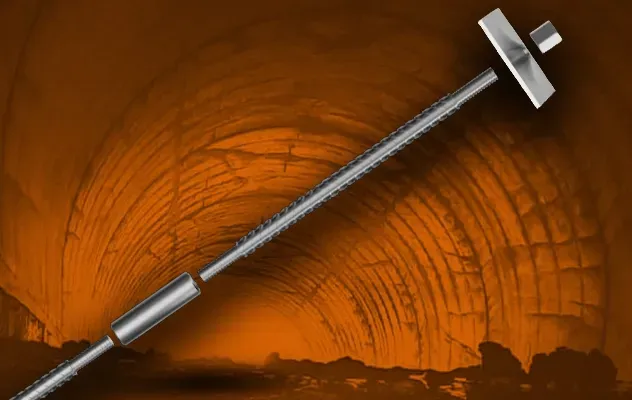
One of the most important issues in underground and rock engineering projects is restoring the balance of the soil or rock disrupted during excavation. In tunneling, mining activities, and various infrastructure projects, the natural stress balance on the rock mass changes with excavation. This can lead to crack growth, block movements, and serious stability problems. One of the most common and effective support systems used to control these risks is rock bolts.
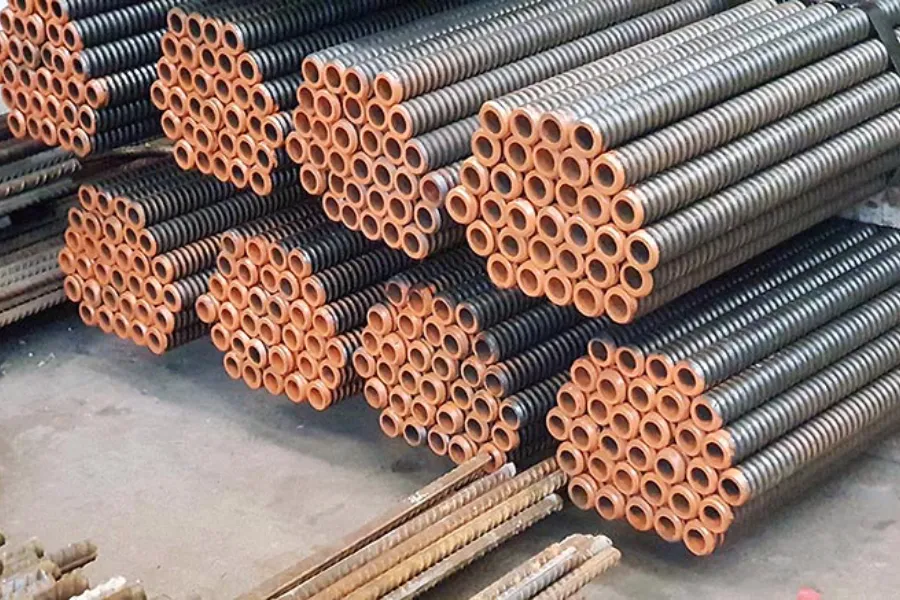
Rock bolts are steel anchor elements used to strengthen the rock mass and prevent fragmentation. These elements, placed inside the rock, connect the rock blocks to each other, creating a more integrated and durable structure. This ensures safe working conditions in the excavation area.
What is a Rock Bolt?
A rock bolt consists of steel rods placed in holes drilled into the rock or soil and usually fixed with grout. This system strengthens the internal structure of the rock mass, ensuring a more balanced distribution of loads.
The basic principle of rock bolts is to transform the rock mass from a passive structure to an active load-bearing system. Thanks to the bolts, rock blocks are connected to each other and begin to behave as a single piece. This significantly reduces the risk of rockfalls and collapses.
How Do Rock Bolts Work?
Rock bolts work in conjunction with the rock mass in which they are placed. Bolts are placed in holes drilled during application, secured with injection material, and create a strong bond with the rock.
The working principle of this system can be summarized as follows:
- Cracks and weak areas within the rock are connected to each other.
Loads are distributed over a wider area.
Movement of rock blocks is limited.
Ground stability is increased.
Thanks to this mechanism, the rock mass becomes more durable and risks in the excavation area are reduced.
Where are Rock Bolts Used?
Rock bolts have a wide range of applications in various engineering projects. They are particularly preferred in areas where rock stability is critical.
Tunnel Projects
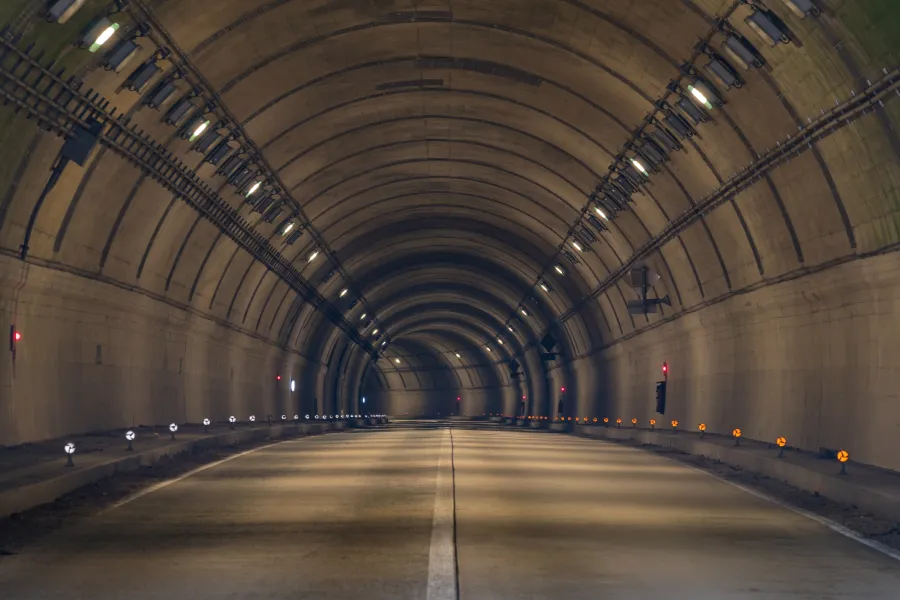
Rock bolts are used to prevent loosening that may occur in the rock mass during tunnel excavations. Stability is provided in the tunnel ceiling and side walls, creating a safe excavation environment.
Mining Activities
Rock bolts are widely used in underground mining to ensure the safe operation of tunnels. This system reduces the risk of roof collapse and increases worker safety.
Slope Stabilization
Rock bolts are used to prevent rockfalls that may occur on slopes and rock embankments. This application is particularly important in highway and railway projects.
Dam and Energy Projects
Rock bolts are used in large-scale engineering projects to increase the strength of the rock mass. This ensures the long-term safety of structures.
Advantages of Rock Bolts
Rock bolts offer many advantages in underground projects. These advantages make the system indispensable in engineering applications.
Main advantages:
- Increases rock stability
Reduces the risk of collapse and rockfall
Quick and effective application
Can be used in conjunction with other support systems
Provides long-term durability
These features are the main reason why rock bolts have a wide range of applications.
The Importance of Rock Bolts in Underground Projects
Ensuring ground stability is essential for a safe excavation process in underground engineering. Rock bolts are one of the most fundamental support systems that provide this stability.
By strengthening the rock mass and creating a more stable structure, this system both increases work safety and contributes to the more efficient progress of projects. Properly designed and applied rock bolt systems minimize risks in underground projects and create a safe working environment.
Therefore, rock bolts continue to be used as an indispensable engineering solution in modern tunnel and mining projects.